Emergency Medical Responder (EMR)
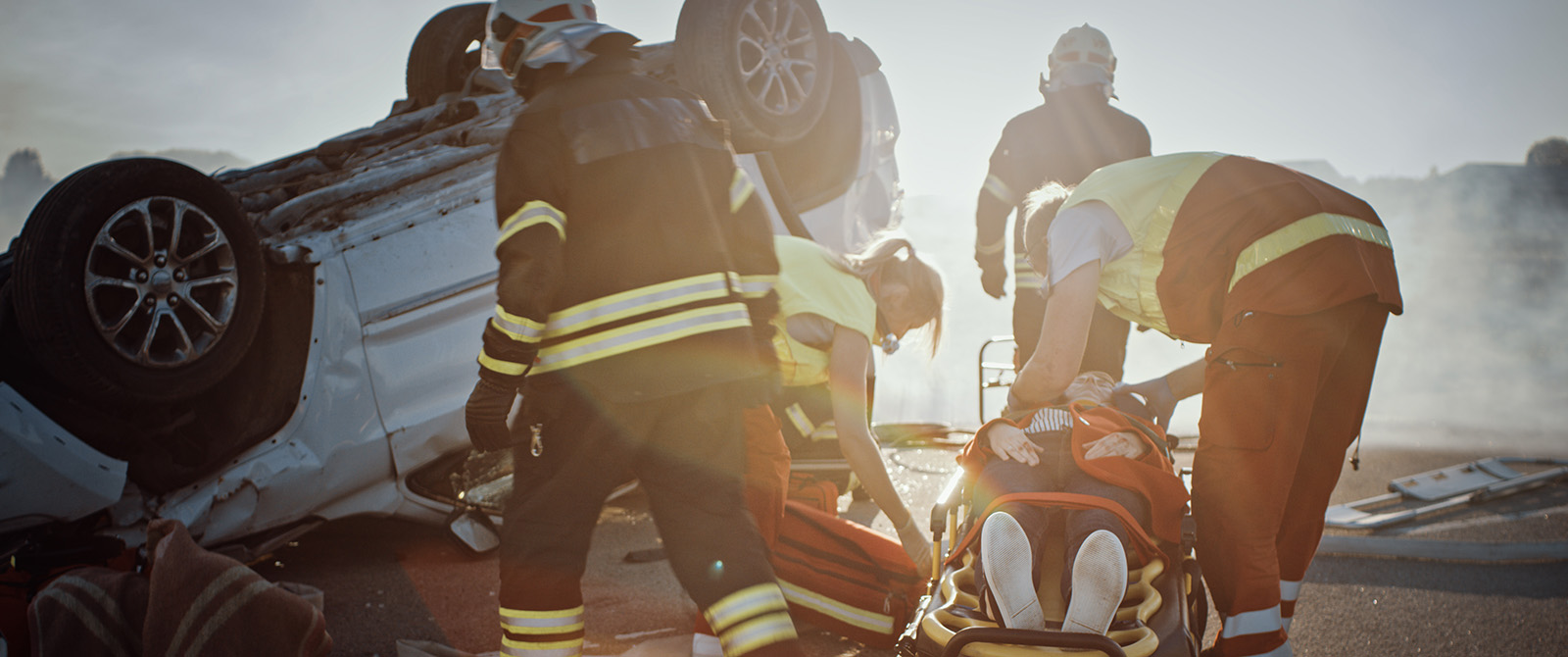
Gain the skills you need to become certified as an Emergency Medical Responder
Emergency Medical Responder (EMR) hybrid training is a specialized training program designed for individuals who want to become certified as Emergency Medical Responders.
South Central College offers this program in a hybrid format that combines online and in-person learning to accommodate different learning preferences and improve the overall flexibility and efficiency of the training process. The length of EMR hybrid training varies but generally lasts between 40 to 60 hours, with a combination of online modules and in-person skills sessions.
The EMR hybrid course is designed to prepare participants for handling a wide range of medical emergencies. Some of the key topics include:
- Basic Life Support (BLS): CPR and AED use, airway management, and breathing support.
- Patient Assessment: Conducting initial assessments of a patient's condition, including vital signs, history, and physical exam.
- Medical Emergencies: Handling a variety of medical situations like heart attacks, strokes, diabetic emergencies, seizures, and more.
- Trauma Care: Assessing and providing care for injuries like fractures, burns, head trauma, and bleeding.
- Shock and Oxygen Therapy: Recognizing signs of shock and administering oxygen when necessary.
- Transporting Patients: Safely moving and lifting patients in emergencies, including the use of stretchers and other equipment.
- Legal and Ethical Considerations: Understanding the responsibilities, scope of practice, and legal requirements for an EMR.
Key Aspects of EMR Hybrid Training:
Hybrid Learning Format
- Online Training: This typically involves self-paced modules that cover theoretical concepts like anatomy, physiology, medical terminology, patient assessment, and basic emergency procedures. Online training often includes videos, quizzes, and readings to ensure learners understand core topics before engaging in hands-on practice.
- In-Person Training: Practical, hands-on skills are taught in a controlled, in-person environment. This part of the course includes practicing skills such as CPR, bandaging, wound care, splinting, oxygen administration, and other emergency procedures. These skills are essential for EMRs to respond effectively in real-life emergency situations.
Benefits of Hybrid Training
- Flexibility: Participants can complete the theoretical portion of the course online at their own pace, making it more convenient for those with busy schedules.
- Practical Skills: The in-person portion allows for hands-on experience, which is essential for gaining the practical skills needed to respond to medical emergencies.
- Certification: Successful completion of the program usually results in certification, which is often required for roles in emergency medical services, fire departments, or other emergency responder positions.
Who Should Attend
- Aspiring Emergency Medical Responders: Individuals who wish to become EMRs and play a vital role in providing initial medical care in emergencies.
- Community First Responders: Volunteers or personnel who may be the first on scene in emergencies, such as in rural areas, schools, or businesses.
- Healthcare Professionals: Nurses, paramedics, and other healthcare providers who want to gain additional skills in emergency response or refresh their knowledge.
Please Note: This is NOT a program leading to a degree at South Central College, and these certifications are not eligible for federal student aid. Rather, SCC offers a series of courses that lead to certifications which prepare learners to render emergency medical services to the public.
Register for the EMR Hybrid Course